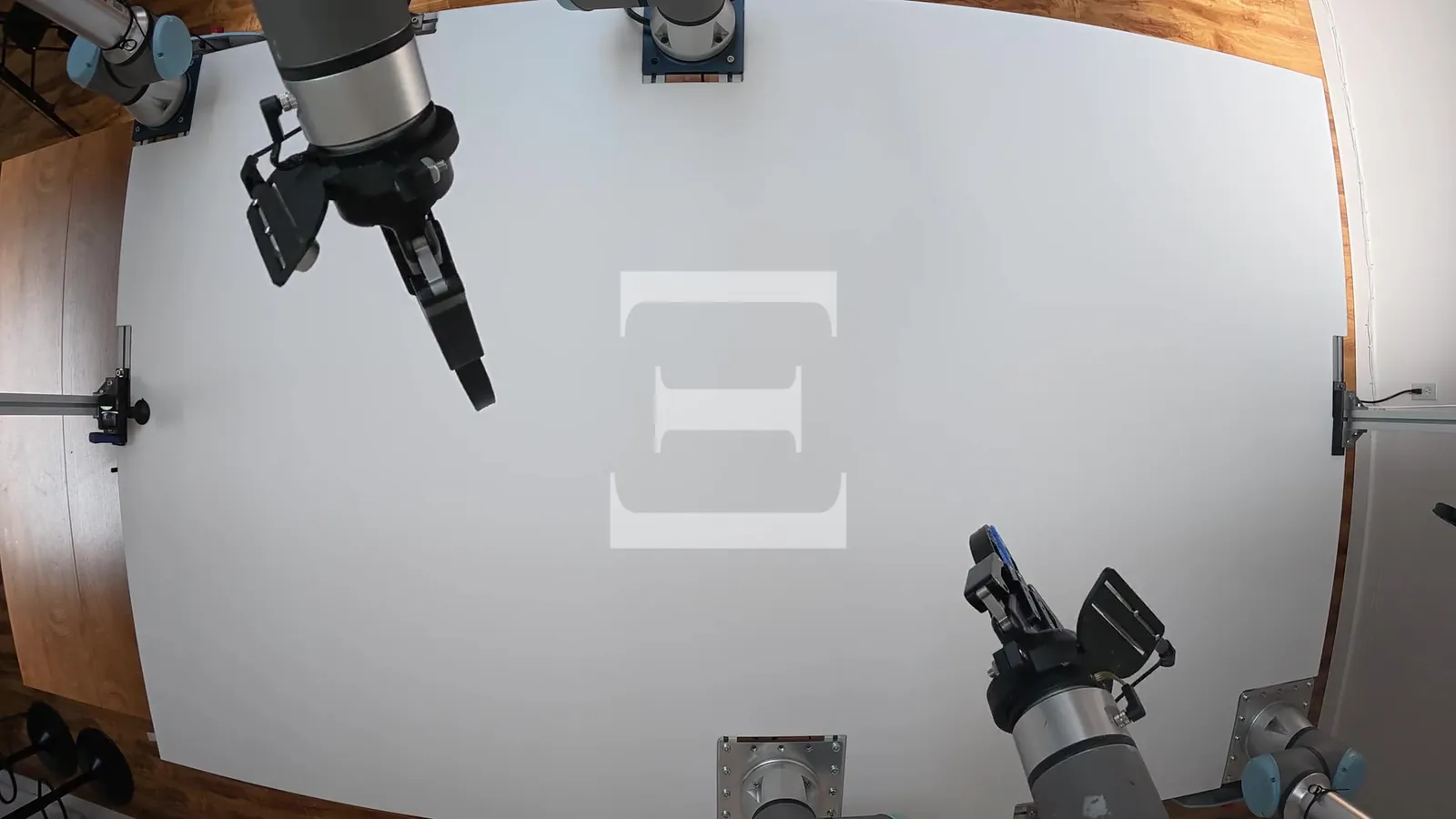
The work the country needs built is dexterous, high-mix, and short of hands. Relling puts American-deployed robot workcells on those lines: running fully on-premise, behind your boundary, with nothing leaving the facility.
Relling is committed to American production dominance.
That isn't a slogan. It's the thing we build for. Every cell is deployed on a domestic floor, runs on hardware inside your boundary, and adds capacity to the industrial base this country's security rests on.
Rearmament, onshoring, and depot backlogs all resolve to the same bottleneck: skilled hands on contact-rich work. Fixed automation was never built to hold that work, and the tooling cost never pencils at industrial-base volumes.
Munitions, shipbuilding, and airframe programs are being asked for output that legacy tooling cannot absorb. A software-reconfigurable cell adds dexterous capacity part by part, without a retooling cycle between them.
Machinists, welders, layup technicians, and harness builders are aging out faster than apprentices replace them. A cell that learns a library of these skills captures scarce tradecraft before it walks out the door.
Most of the industrial base is sub-tier shops running high-mix, low-volume work at thin margins. They cannot fund bespoke integration projects, which is exactly why capacity stalls below the primes.
One cell, reconfigured per part, across organic industrial base sites, prime and sub-tier suppliers, and federally funded production.
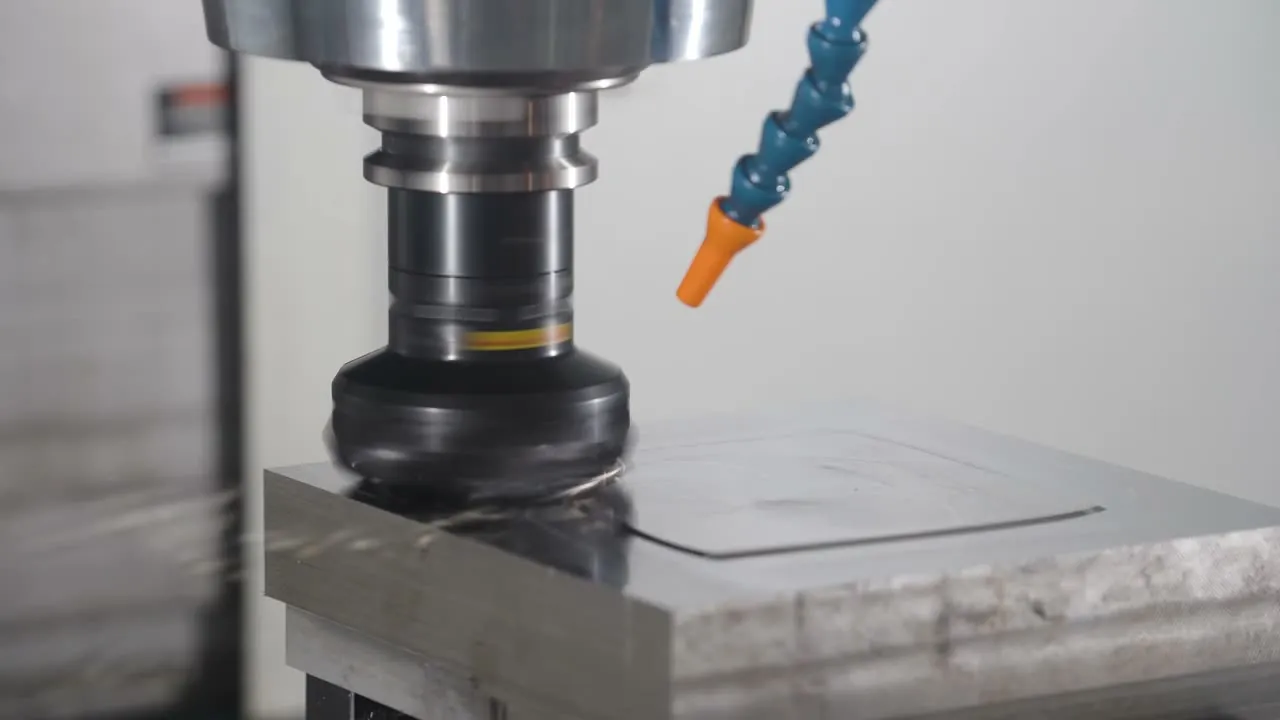
Sub-tier machine shops and fabricators feeding prime programs under high-mix, low-volume demand.
Sustainment work on returned assets, where every unit differs and inspection load is heavy.
Weld prep, grinding, and finishing on large structures that never see a fixed line.
Repetitive handling, loading, and 100% inspection on work that should not be done by hand.
Sample handling, fixturing, and instrumented test loops that consume technician hours.
New domestic capacity standing up under a schedule, where headcount cannot be hired fast enough.
Most automation vendors need a cloud round-trip to think. That disqualifies them from controlled work before the technical evaluation starts. Relling's stack was built the other way around.
Every model runs on hardware inside the cell. No inference call, no telemetry, and no part geometry crosses the facility boundary.
The cell runs with no external network connection. Updates are delivered as reviewed, signed artifacts on your schedule, not pushed.
Production data, imagery, and traceability records are written to systems you own. We do not require a data-sharing right to operate the cell.
Every cycle logs what the cell saw, what it decided, and what it verified, in a record your quality team and auditors can read.
The fastest path is a single scoped part on a real line. We qualify the cell on our floor before it reaches yours, so evaluation does not tie up your engineers for months.
We work through whichever vehicle your program already uses. Tell us the path and we will meet you on it.
We deliver the cell as a subcontracted line item inside an existing program or integration scope.
A sub-tier shop buys the cell for its own floor, and the capacity shows up in the program's rate.
We are set up to execute prototype work under consortium and other-transaction paths.
Joint evaluation with federal labs, manufacturing institutes, and university test floors.
Relling is an American company building the deployment layer for physical AI on American factory floors. Domestic content, supply-chain provenance, and facility requirements are documented per engagement. Ask and we will send the current sheet.