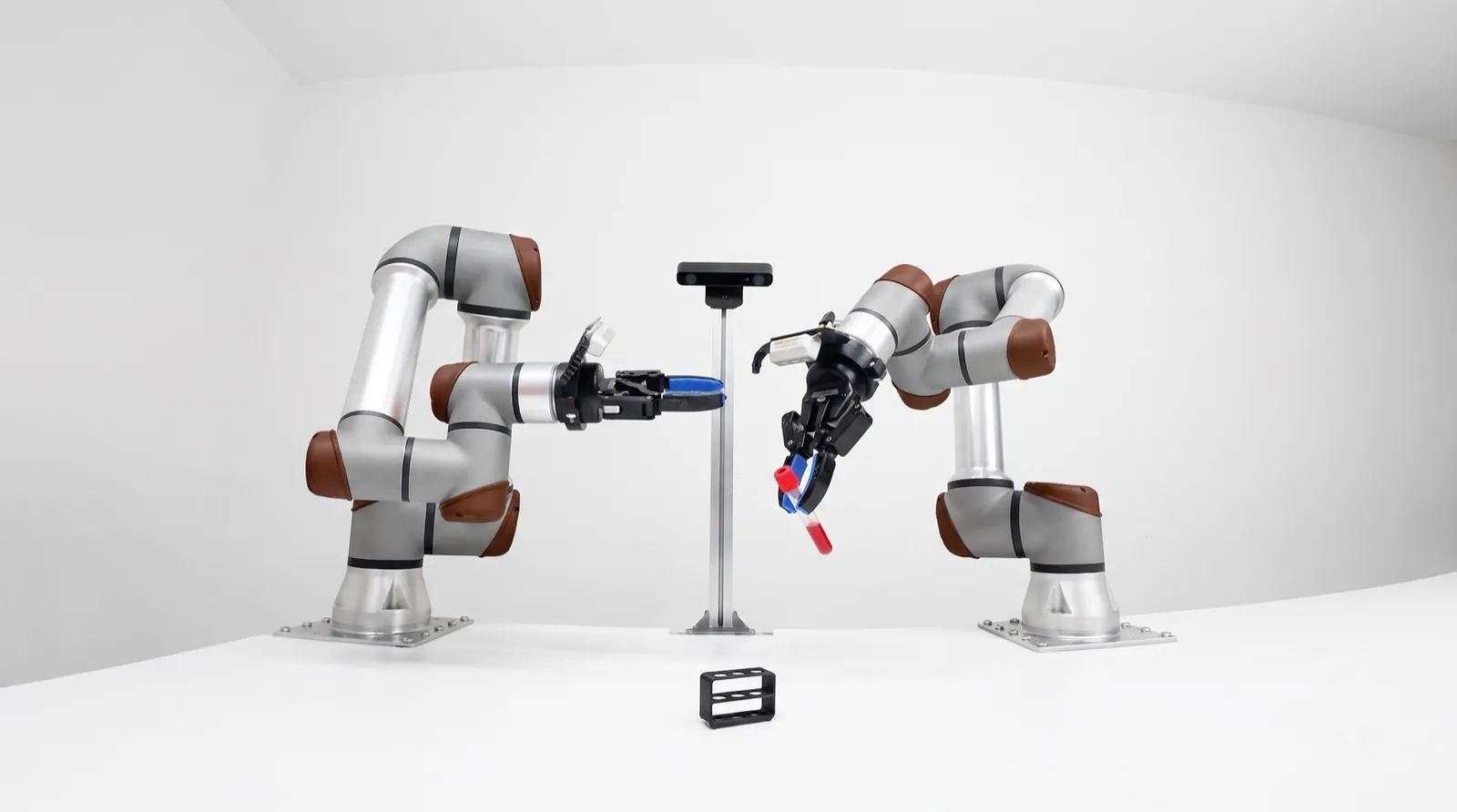
Best vacuum grippers for palletizing, 2026
Cups, foam, bag and cobot vacuum grippers, matched to the loads they pick.
Relling sizes the gripper to your load and delivers the working cell.
Leanings, not rules. We size cups and flow to your heaviest, most porous load.
The specs that actually matter for vacuum gripping
Vacuum handling depends on the surface and the airflow, so the numbers differ from a finger gripper.
Read the full section
Gripper style
Single-cup, multi-cup, foam/area, or bag. Cups suit consistent single-SKU parts with a known pick point; foam and area grippers seal against mixed sizes; bag grippers conform to soft, non-rigid loads.
Payload & holding force
Holding force is cup area times vacuum level, minus leakage — then a safety factor for dynamic motion. Size to the heaviest, most porous part you pick, not the average one.
Vacuum generation
Venturi (ejector) makes vacuum from compressed air — simple and instant but air-hungry. An electric pump generates vacuum without compressed air, cutting energy on high-flow, porous loads.
Surface compatibility
Smooth, non-porous surfaces seal easily; porous cardboard and film leak and demand high flow. Match cup material and flow to the surface, or picks fail intermittently.
Cycle speed & air use
Grip and release time set throughput; air consumption sets running cost. Air-saving logic and zoned valves cut compressed-air use on fast, repetitive picks.
Cobot integration
Plug-and-play vacuum kits mount to common cobot flanges with software drivers and onboard generation, so a shop can add vacuum picking without a separate pump and plumbing.
Cups, area, bag, or cobot kit
Let the load choose the style: cups for known boxes, foam for mixed cases, bag grippers for sacks.
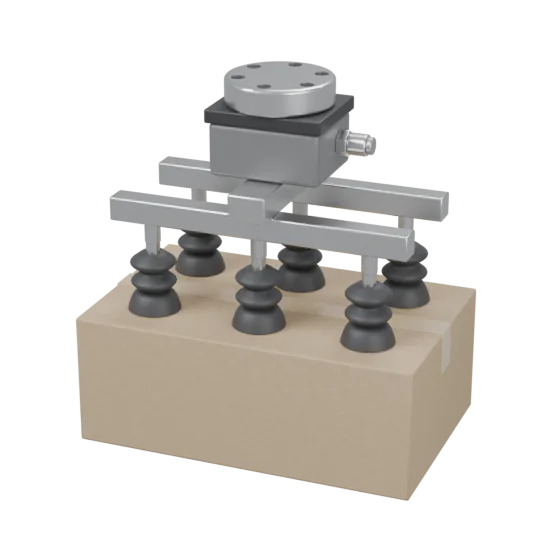
Single or multi-cup
Single-SKU cartons, sheets
Needs a known, strong pick point
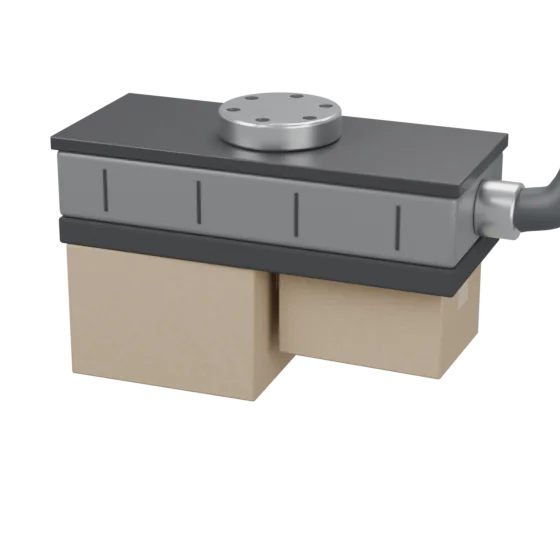
Foam or area
Mixed cases, varied sizes
Higher flow and air demand
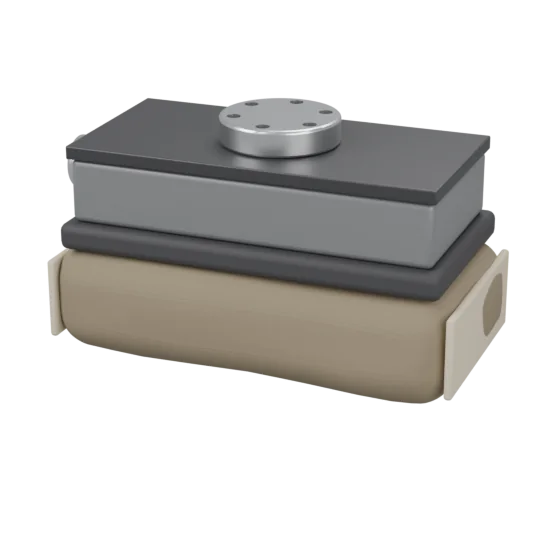
Bag and sack
Bags, sacks, pouches
Slower, load-specific tuning
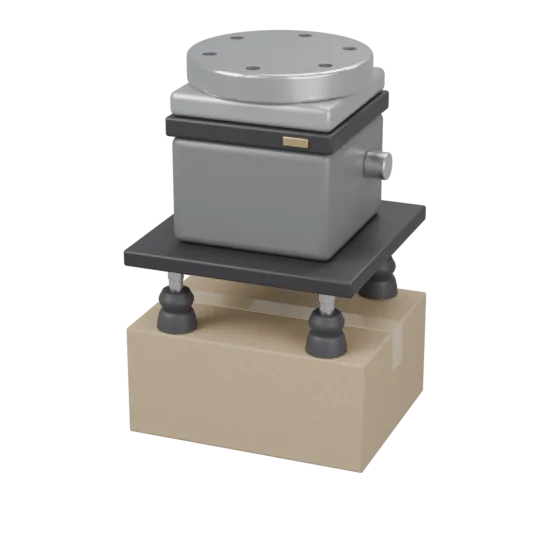
Cobot vacuum kit
First automation, high-mix
Lower payload than industrial
Read the full section
| Style | Best for | Strength | Trade-off |
|---|---|---|---|
| Single / multi-cup | Consistent single-SKU cartons, sheets, panels | Efficient, precise, low air use | Needs a known, strong pick point |
| Foam / area gripping | Mixed cases, rainbow pallets, varied sizes | Seals against whatever is beneath it | Higher flow and cost; more air demand |
| Bag & sack | Soft, non-rigid loads — bags, sacks, pouches | Conforms to loose, deformable surfaces | Specialized; slower, load-specific tuning |
| Cobot vacuum kits | First automation, small shops, high-mix | Plug-and-play, onboard generation | Lower payload and duty than industrial |
Ten vacuum grippers, side by side
Grouped by family and alphabetical within each, not ranked; check current datasheets for your variant.
| Gripper | Maker | Style | Best for |
|---|---|---|---|
| Coval cups & pumps | Coval | Single / multi-cup | Industrial vacuum for known, non-porous picks |
| Vaccon venturi | Vaccon | Single / multi-cup | Venturi vacuum, compact and instant on/off |
| Piab area / foam grippers | Piab | Foam / area | Mixed products and varied box sizes |
| Schmalz FA-X / FXCB | Schmalz | Foam / area | Mixed cases and rainbow pallets |
| OnRobot VG10 | OnRobot | Cobot vacuum kit | Dual-zone vacuum for two-part or split picks |
| OnRobot VGC10 | OnRobot | Cobot vacuum kit | Compact cobot vacuum, single-SKU cartons |
| OnRobot VGP20 | OnRobot | Cobot vacuum kit | High-payload cobot vacuum for heavier loads |
| Piab piCOBOT | Piab | Cobot vacuum kit | Cobot vacuum for cartons, plug-and-play |
| Robotiq AirPick | Robotiq | Cobot vacuum kit | Cobot vacuum, simple integration |
| Schmalz cobot pump ECBPi | Schmalz | Cobot vacuum kit | Electric cobot cups, energy-efficient picks |
Table scrolls horizontally on small screens →
Four names worth knowing well
Schmalz for mixed cases, Piab for foam and soft loads, OnRobot for cobot kits, and the vacuum source under them all.
Read the full section
Schmalz — the vacuum-technology leader
Schmalz is the reference brand in industrial vacuum handling, and its area grippers — the FA-X / FA-M family for palletizing and the cobot-ready FXCB / FMCB — are built for exactly the hard problem in palletizing: mixed cases. A large sealing surface grips boxes of different sizes and positions without re-tooling, so one gripper builds a rainbow pallet. Deep sizing tools, cup libraries, and both compressed-air and electric generation options make Schmalz the safe baseline when the load mix is wide.
Piab — foam, soft vacuum, and cobot
Piab pairs foam and soft-vacuum area grippers for mixed and delicate products with the piCOBOT plug-and-play line for collaborative cells. Its COAX ejector technology packs high flow into a compact envelope, which helps on porous or leaky surfaces. For shops that handle a range of products — some soft, some porous — and want both industrial and cobot options from one supplier, Piab is a common choice.
OnRobot — plug-and-play cobot vacuum
OnRobot has built the broadest ready-to-run cobot vacuum range: the compact VGC10 for single-SKU cartons, the dual-zone VG10 for split or two-part picks, and the high-payload VGP20 for heavier loads. All mount to common cobot flanges with software drivers and onboard electric generation, so a shop adds vacuum picking without a separate pump or plumbing. Where flexibility and fast setup matter more than peak industrial throughput, OnRobot is the easy path.
Electric vs. venturi vacuum generation
How the vacuum is made shapes running cost as much as the cups do. Venturi (ejector) generators — Vaccon, Coval, Piab COAX — make vacuum from compressed air: simple, compact, instant, but continuously air-hungry unless air-saving logic is used. Electric pumps and blowers — Schmalz ECBPi, OnRobot's onboard generation — need no compressed air, cutting energy and handling high-flow porous loads well, at the price of more cost, weight, and maintenance. High-mix, porous, or energy-sensitive lines lean electric; simple intermittent picks lean venturi.
Which gripper fits your load
Let the load decide: its surface, its weight and how mixed it is.
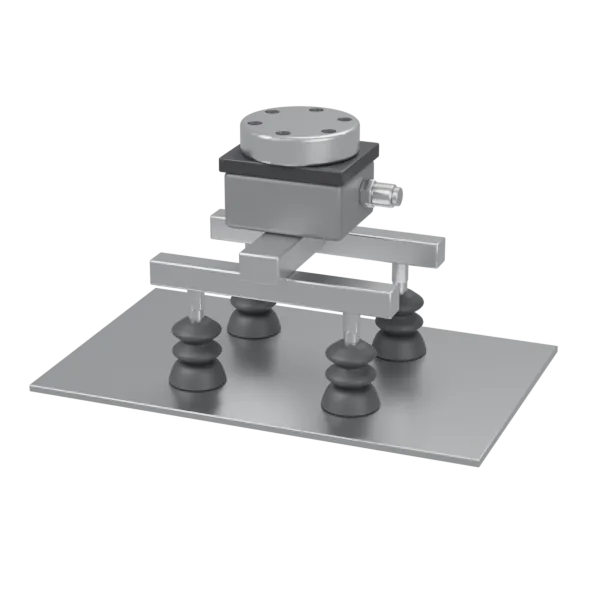
Smooth, non-porous: it seals.
Sheets and panels seal easily, so the cups hold with low air use.
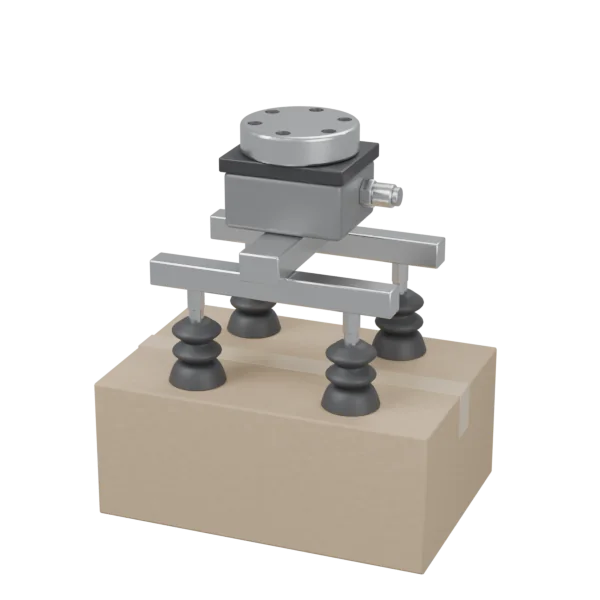
Porous cardboard or film: it leaks.
Porous surfaces leak and demand high flow to hold.
Read the full section
| If you… | Consider… | Why |
|---|---|---|
| Pick single-SKU cartons with a known point | Single / multi-cup (OnRobot VGC10) | Efficient, precise, low air use on consistent boxes |
| Build mixed cases or rainbow pallets | Foam / area grippers (Schmalz, Piab) | One sealing surface grips varied sizes, no re-tooling |
| Handle porous or film surfaces | Specialized cups / high-flow generation | Leaky surfaces need flow to hold, not just vacuum level |
| Move bags or sacks | Bag grippers | Conform to soft, non-rigid, deformable loads |
| Lift heavy loads on a cobot | High-payload vacuum (OnRobot VGP20) | More cups and flow for weight, with cobot ease |
The vacuum gripper decides the pallet
On a palletizing line the gripper, not the arm, succeeds or fails on each pick.
Read the full section
It is tempting to shop for the arm first. But on a palletizing line, the gripper is what succeeds or fails on each pick — and sizing the cups and flow to the load matters as much as choosing the robot. A fast arm with an under-sized gripper drops boxes; a well-matched gripper on a modest arm runs all day. Surface, weight, mix, and porosity decide the tooling, and the tooling decides whether the pallet builds cleanly.
So spec the two together. Pair the right vacuum gripper with the right palletizing robots, and lean on robot integrators to size cups, flow, and safety as one qualified system rather than bolting a gripper onto a bare arm and hoping the numbers hold.
Ten questions to ask before choosing a vacuum gripper
Settle these before you pick cups and a vacuum source.
Read the full section
- What is the surface type — smooth, porous cardboard, film, or soft?
- What is the payload and required holding force, and what safety factor?
- Cup, foam/area, or bag — which style fits my loads?
- How is the vacuum generated — venturi or electric pump?
- What is the air consumption, and does it use air-saving logic?
- What is the realistic grip-and-release cycle speed on my parts?
- Is the work mixed-SKU or single-SKU, and how variable are the sizes?
- Cobot kit or industrial tooling — what do volume and duty require?
- What is the all-in cost beyond the gripper — source, valves, cups?
- Where is service, and what is the spare-cup and support plan?
Frequently asked questions
What is the best vacuum gripper for palletizing?
There is no single best vacuum gripper — the right tooling depends on the load: its surface, weight, and mix. Schmalz, Piab, and OnRobot lead the field across industrial and cobot applications. For single-SKU cartons a single- or multi-cup gripper is fast and cheap; for mixed cases and rainbow pallets, foam or area grippers that seal against varied box sizes are usually the answer. Size the cups and flow to your heaviest, most porous part, not the average one.
Cups or foam/area gripping — which should I use?
Discrete suction cups are efficient and precise for consistent, single-SKU parts with a known pick point — one or a few cups placed where the box is strong. Foam or area grippers present a large sealing surface that grabs whatever is beneath them, so they handle mixed sizes and rainbow pallets without repositioning. Cups minimize air use and cost; foam/area maximizes flexibility for high-mix work.
How do I size a vacuum gripper?
Start with the load: its weight, its surface (smooth and non-porous seals easily; porous cardboard or film leaks and needs high flow), and the pick orientation. Compute the holding force from cup count and area against the vacuum level, then apply a safety factor — commonly 2x for horizontal lifts and more for dynamic motion, off-center loads, or porous surfaces. Verify the numbers against the manufacturer's sizing tools for your exact cups and pump.
Can vacuum grippers handle mixed-case pallets?
Yes. Foam and area grippers are built for exactly this — a large sealing zone grips boxes of different sizes and positions without re-tooling, so a single gripper can build a rainbow pallet of varied SKUs. Zoned area grippers add valves that activate only the covered region, and high-flow generation compensates for the leakage that mixed, sometimes porous, cartons create.
Venturi or electric vacuum pump?
Venturi (ejector) generators make vacuum from compressed air — simple, compact, and instant, but they consume compressed air continuously unless air-saving logic is used. Electric vacuum pumps (blowers) generate vacuum without compressed air, which cuts energy cost and handles high-flow, porous loads well, but adds cost, weight, and maintenance. High-mix, porous, or energy-sensitive lines often favor electric; simple, intermittent picks often favor venturi.
How much do vacuum grippers cost?
Prices vary widely, and large industrial tools are usually quoted per project. As examples checked in November 2026, Unchained Robotics, a German online store, lists cobot vacuum grippers such as the OnRobot VGC10, Piab piCOBOT Electric and Schmalz FXCB at about €3,200 to €3,400 before VAT. Simple cup-and-ejector tools usually cost less; large zoned area or foam grippers with integrated electric pumps and valve control cost more. Budget separately for the vacuum source, fittings, and any custom cup arrangement for your parts, and check current pricing with each maker.
Editorial buyer's guide compiled by Relling for manufacturers evaluating vacuum grippers. Grippers are grouped by family and listed alphabetically, not ranked; inclusion is not an endorsement. Specifications and fit are nominal and vary by variant and load — verify current datasheets, sizing tools, and pricing directly with each manufacturer. Relling builds turnkey robotic workcells and is described on that basis.
Not sure which vacuum gripper? Let Relling handle it
We size the cups and flow to your load, build them into a turnkey cell and qualify it before it ships.
- Book a 30-minute call on the load and the cell
- We size cups, flow and vacuum source to your heaviest load
- We deliver the cell, qualified before it ships